
Herbert Richardson’s Last Days
Just MercyThis thread follows Herbert Richardson’s wartime trauma, the tragedy of his crime, and the final effort to defend his life.
increasing Bearing strength in each event
 decreasing
Bearing strength in each eventdecreasingTrauma Comes Home
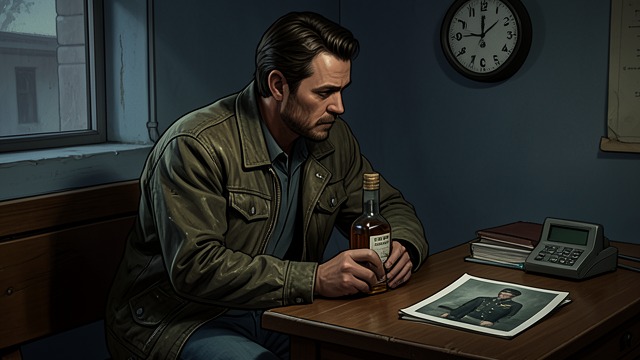
A Veteran’s Return
War wounds
Herbert survives combat, serious injury, and a psychological breakdown during his service in Vietnam.
Fragile recovery
Back in civilian life, trauma and earlier hardships continue to shape his behavior. The history that might explain his vulnerability is not yet recognized as legally important.
A Destructive Plan
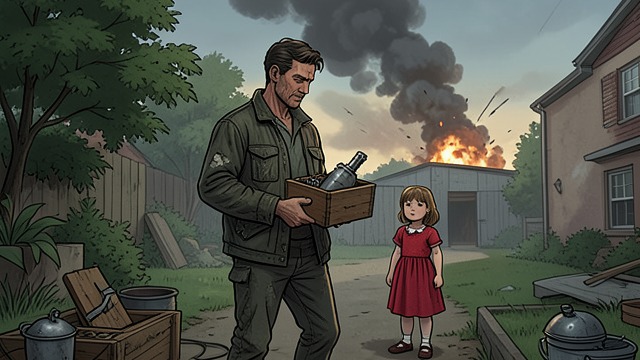
The Bomb on the Porch
Obsession and misjudgment
Herbert constructs a bomb, believing its explosion will let him rescue a former girlfriend and win her back.
A child is killed
A young girl picks up the device and dies in the blast. The tragedy is irreversible, though Herbert did not intend to kill her.
A Trial Without His Life Story
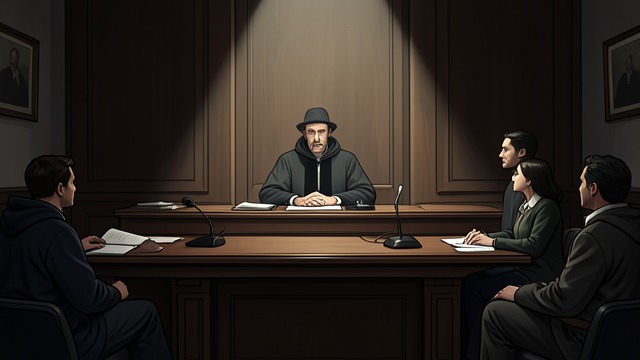
An Unsupported Death Sentence
Intent and prejudice
The State uses a novel transferred-intent theory and inflammatory racial rhetoric to seek death.
Mitigation absent
Herbert’s lawyer presents almost nothing about his service, trauma, or history. The trial lasts barely more than a day before he is condemned.
A Lawyer Arrives Late
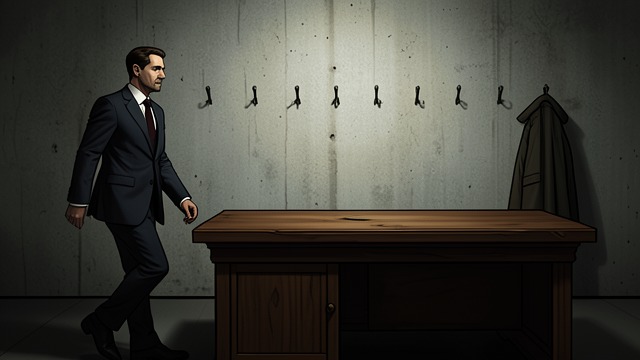
The Final Appeal
A desperate investigation
Bryan takes Herbert’s case with weeks remaining and seeks stays based on intent, ineffective counsel, and missing mitigation.
Courts refuse review
Judges reject the evidence as too late. The legal system treats procedural timing as more important than the life story it never considered.
A Farewell at Holman
The Last Hours
Family and compassion
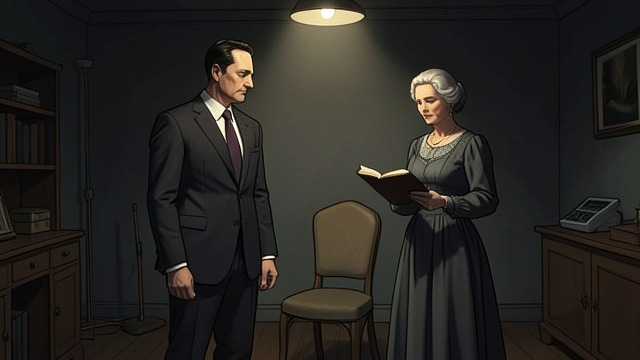
Herbert comforts his family and thanks Bryan for standing with him. His wife struggles to leave the visitation room.
Execution
A recording of a hymn accompanies Herbert to the electric chair. Bryan is left thinking of all the help Herbert needed before his final day.
After Herbert’s service in Vietnam
Before Herbert’s capital trial
At Herbert’s trial
August 1989
August 17 and 18, 1989
